Puzzles have been a cornerstone of media engagement for over a century. From newspapers to mobile screens, their ability to draw in audiences and keep them returning is timeless. But as media consumption shifts, puzzles are taking on new roles in digital engagement and cognitive wellness.
Creating habits through play
“What puzzles really do is create habits,” explains Ingmar Kooij, Keesing’s Global B2B Director. “They’re not just about puzzling, they’re about challenging yourself, every day, in a way that trains your brain.”
Habits matter for many brands and organisations, because repeated engagement builds both familiarity and loyalty. Small, achievable daily challenges encourage users to make puzzles part of their routine, gradually building a pattern of sustained interaction. Over time, these interactions accumulate into measurable engagement that benefits both users and the platforms they frequent.
Gamification plays a central role in this kind of habit formation. Features like streaks, tailored challenge paths, and achievement tracking encourage users to engage repeatedly. These mechanisms create measurable, meaningful interactions that go beyond passive consumption. Streaks have become something of a buzzword lately, as they guide players through a series of puzzles in order to create what industry-insiders call ‘stickyness’ – that is, repeated patterns of behaviour.
Major platforms are beginning to recognise the power of these mechanisms. Netflix, LinkedIn, and other digital services are experimenting with puzzles and gaming to increase engagement and return visits.
“Every minute someone spends playing is a minute not spent elsewhere,” Ingmar points out; a reminder that building habits is also about capturing attention in a competitive digital landscape.
Supporting cognitive wellness
Puzzles aren’t just about engagement, they’re also a tool for mental fitness. Research shows a strong link between regular cognitive challenge and long-term brain health. On digital platforms, puzzles can be designed for specific outcomes: some focus on relaxation, others on learning, problem-solving, or memory enhancement.
But cognitive wellness is only one side of the story. Puzzles are also a source of entertainment, social connection, and pleasure. They allow users to unwind, share experiences with friends or family, and feel a sense of accomplishment. Fun is not incidental – it’s a core reason why people keep returning, and it complements the mental stimulation offered by well-designed challenges.
“Gamification and cognitive purpose are intertwined,” Ingmar explains.
“By structuring challenges that balance fun and brain training, we make puzzles relevant beyond entertainment.” The intentional design of these experiences ensures that they remain engaging while delivering measurable benefits to users.
Leveraging content in new ways
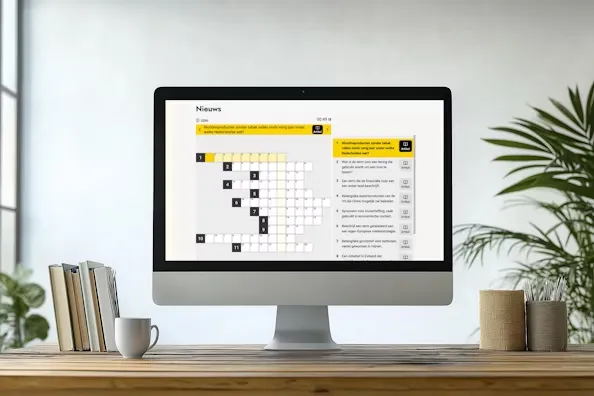
Another major evolution is the integration of puzzles with real-time content. Publishers can turn news stories, educational material, or topical updates into interactive challenges that deepen audience engagement. Keesing is pioneering a new form of puzzle based on platform content, where users can reflect on what they’ve read, and when they don’t know an answer, they’re encouraged to explore a newsite, for example, further.
This approach offers several advantages. It reinforces learning, encourages readers to engage more deeply with content, and provides publishers with insights into audience behavior. By analysing how users interact with puzzles tied to specific content, publishers can refine their strategies, tailor future content, and build more meaningful connections with their audiences.
In practice, this also opens doors for subscription and premium content models. Publishers can integrate select articles into puzzles, prompting users to engage further or subscribe to access additional content. The result is a seamless blend of entertainment, education, and audience development.
Lessons for the digital media landscape
The current shift to digital doesn’t diminish the value of print puzzles; it magnifies it. Delivering puzzles in a variety of formats is important to eager puzzlers, who might prefer the tactile nature of a magazine while on the beach, and the convenience of a digital puzzle while commuting. This shows that engagement, habit formation, and cognitive stimulation remain central, but the channels, tools, and metrics are evolving.
“The big opportunity for brands,” says Ingmar, “is to deepen connections with their customers and make each interaction valuable while creating habits that see them coming back, even on a daily basis.”
Ultimately, this is about creating experiences that are personalized, interactive, and repeatable. And the lessons for publishers and platforms are clear: puzzles can drive repeat engagement, support cognitive wellness, and provide a window into audience behavior. Thoughtful implementation – structuring challenges, gamifying interactions, and tying puzzles to meaningful content – ensures they remain impactful and trusted.
In a landscape crowded with fleeting attention, puzzles offer a measurable, adaptable, and durable way to build relationships with users. And as personalisation, gamification, and AI-driven content continue to evolve, their potential only grows.
“Puzzles are not just games,” Ingmar concludes, “they are tools to understand audiences, challenge minds, and create moments of engagement that matter.”