Younger adults are rediscovering puzzles, but they want products that reflect their world. From contemporary crossword magazines to social-first publishing, Keesing is exploring new ways to connect with this generation and unlock opportunities for growth.
The puzzle market is changing, and that creates an opportunity.
Across our markets, a new generation of puzzlers is emerging. Many grew up with puzzles, drifted away in their teens, and are now rediscovering them in their twenties and thirties. But they are not necessarily looking for the products they remember from childhood. They want something relevant to their interests, authentic in its design and language, and made with them in mind.
Understanding what this audience wants, and how to reach it, could open new opportunities for puzzle publishing.
Relevance comes first
Younger audiences discover and share content through social platforms and communities built around their interests. Pop culture, music, television, internet humour and everyday language all influence how they engage with the world, including puzzles.
For publishers, this means looking beyond established formats and conventions. The design, language, tone and content of a product all matter. Sometimes, a more curated, handmade aesthetic or a conversational clue can be more appealing than a polished, traditional presentation.
Early examples from Finland and France illustrate the potential.
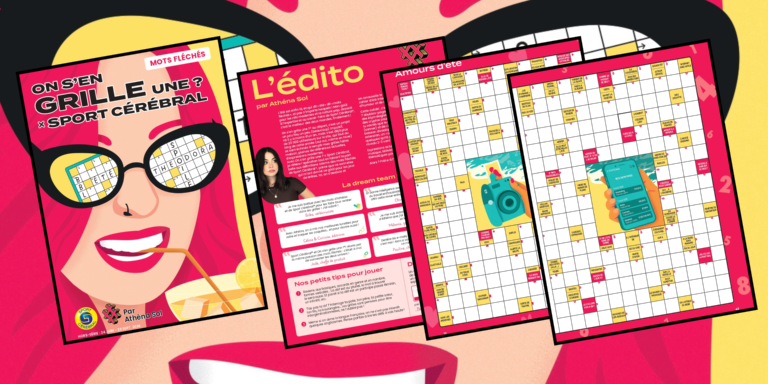
In Finland, Pop Ristikot, a crossword concept that originated as an art-school project, has sold tens of thousands of copies by bringing a fresh perspective to puzzle publishing. In France, two young creators have developed a premium, small-format arrowword magazine, using social storytelling, events and direct-to-consumer sales to connect with younger readers.
Different products and routes to market, but a common principle: when puzzles reflect their audience’s interests and culture, they can reach beyond the traditional puzzle-buying public.
Putting the insight into practice
Sweden is building on this opportunity with Pop-Kryss, a crossword magazine developed specifically for young adults.
Based on the Finnish Pop Ristikot concept, the title has been adapted by Keesing Sweden to reflect Swedish language, cultural references and reading habits. It combines conversational clues, pop culture references and original illustrations to create a contemporary take on the crossword.
At 26, Greta Åberg, Keesing Sweden’s youngest editor, leads the editorial vision behind the magazine. Her own experience helped identify the opportunity: after returning to crosswords, she noticed that many traditional clues referenced people and events more familiar to older generations.
“We wanted to create crosswords that reflect how young adults actually speak, think, and interact with culture today, not a nostalgic remake of something old, but something genuinely new,” Greta explains.
The launch also reflects a different approach to reaching readers. Pop-Kryss established a presence on Instagram and TikTok, supported by an influencer campaign that distributed early copies to 100 Swedish influencers and editorial teams. A dedicated webshop launched alongside the magazine, giving readers a direct route to purchase.
The title has also attracted media attention, while interest from Swedish-speaking readers in Finland suggests potential beyond its initial market. Other Keesing markets, including France and Spain, are exploring their own youth-oriented puzzle formats.
Together, these initiatives demonstrate how local market knowledge, relevant editorial content and new distribution approaches can work alongside established publishing expertise.
Rethinking how we reach readers
Creating a product that resonates is only part of the equation. Publishers must also consider how audiences discover, purchase and engage with it.
Social media can play a role well beyond promotion. Creators and communities can help shape ideas, generate interest and build a relationship between a product and its audience. Direct-to-consumer sales, social commerce, influencer partnerships and events offer additional ways to reach readers.
Traditional retail remains important, but it may not be the first point of discovery for someone who rarely buys printed magazines. Depending on the product, opportunities could also exist in lifestyle retailers, concept stores, cafés and cultural venues.
The question is not simply how to bring younger readers to the magazine aisle, but how to make puzzles visible in the places and communities where they already spend their time.
Combining scale with experimentation
Reaching new audiences does not mean abandoning what makes Keesing strong. Our editorial expertise, International Puzzle Services (IPS), automation and international production capabilities remain important advantages.
The opportunity lies in combining these strengths with greater flexibility: experimenting with new formats, collaborating with creators and mixing scalable production methods with more handcrafted elements where they add value. AI can also help teams work more efficiently, creating more room for creative development and experimentation.
This requires a willingness to test different ideas, learn from local markets and adapt successful concepts to new audiences without assuming that one approach will work everywhere.
Building the next generation of braintainment
The emerging interest in puzzles among younger adults challenges the idea that puzzle publishing belongs to a particular generation or traditional format.
For Keesing, the opportunity is to build on this interest with products that reflect how people live, communicate and engage with culture today. The examples from Finland, France and Sweden show different ways to approach that challenge, from new editorial concepts to social-first marketing and alternative sales channels.
The next step is to keep learning, experimenting and collaborating across markets, turning promising ideas into compelling puzzle experiences for more people.
Expanding the game means more than attracting a new generation of puzzlers. It means expanding our understanding of where puzzles belong, how people discover them and what makes them want to play.